Production controlling as a basis for lean production
German companies are world leaders in exports, with an annual export volume of around 1.2 trillion euros. That is all the more remarkable because Germany is considered a high-wage country. How do German companies manage to stay competitive despite high wages and social security contributions? The key lies in highly efficient production, which forms the basis of value creation in the country.
02.09.2024
·
3 min read
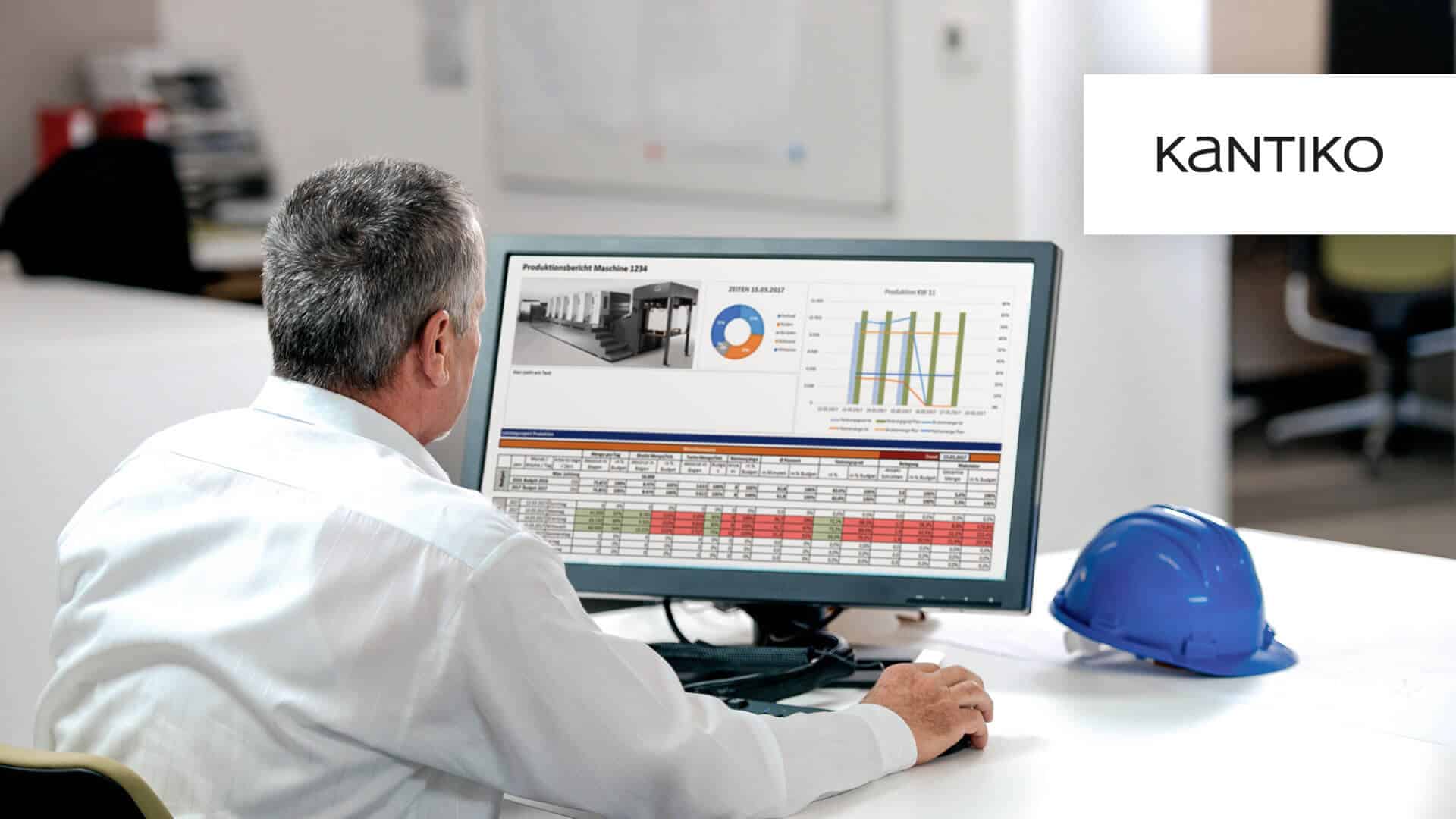
- Production controlling provides the data foundation for lean production.
- It connects target figures with the actual state of manufacturing.
- Good information management makes deviations visible early.
- This reduces waste and keeps processes stable.
Lean production: definition and meaning
Industrial production in Germany faces enormous challenges: high complexity, technological progress, and specific customer requirements call for flexible, high-quality production processes at competitive costs. This is where the concept of lean production comes in.
Lean production stands for the economical and time-efficient use of production factors such as equipment, personnel, materials, and organization. The aim is to combine a high level of flexibility with excellent quality standards while minimizing costs. Lean production has established itself as a recognized benchmark and industry standard.
The role of production controlling
Production controlling is essential for implementing lean production. It covers mapping the value creation process, identifying deviations, and the business-management preparation, support, and monitoring of decisions. Production controlling ensures that management receives all the information it needs to meet customer requirements to the right quality, on time, and efficiently.
Objectives of production controlling
The overriding goal of production controlling is to improve productivity — the ratio of production result (output) to the input required. If the use of individual or all production factors can be reduced at the same output, for example by cutting underused capacity or through more efficient machine utilization, productivity rises.
A central element of production controlling is the use of real-time data to steer and optimize production processes. This is where Peakboard comes in. Peakboard supplies production controlling with current data straight from the shop floor, so the current state of production can be monitored in real time. That real-time data makes it possible to react to deviations immediately and make the necessary adjustments.
At the same time, Peakboard receives the target values for the production goals from production controlling. Those targets are integrated into the system to ensure that production processes are always geared towards achieving the goals set. By continuously monitoring and comparing actual data with target values, production processes can be made more efficient and optimization potential identified and used at an early stage.
Information management and planning targets
To achieve these goals, it is not enough to collect assorted information about the production process — setup times, throughput times, downtimes, or quantities of good parts. That data has to be brought into a meaningful context and compared against the planning targets. Only then does production reach the kind of transparency that reveals optimization potential.
Example of a reference company
One reference company plans and analyzes capacity and maximum machine utilization per machine (cost center) on a daily basis. Among the things planned are working days per month, working days per week, working hours per day, shift information, and maximum machine hours. These values are entered into a system and compared with the machines' feedback on quantities, throughput times, setup times, and scrap quantities.
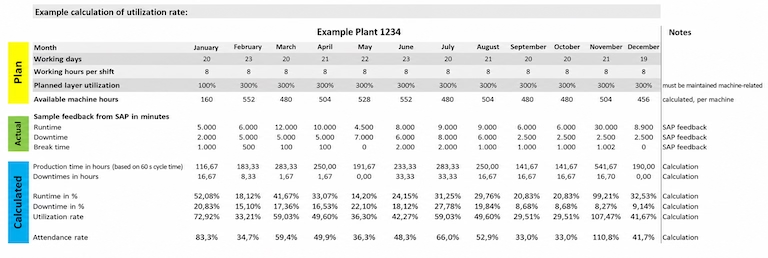
Calculation scheme and performance report
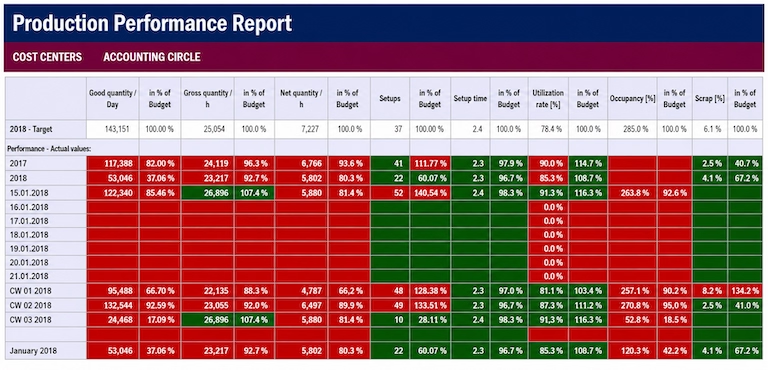
On the basis of this information and further key figures from the SAP system, a performance report is produced for each machine or cost center and updated daily. The report shows the various levels of utilization and the variances against plan, so the company can react quickly to deviations and make continuous improvements.
Conclusion
Production controlling is the basis for the successful implementation of lean production. By systematically capturing and evaluating production data, companies can increase efficiency, reduce costs, and maintain high quality standards at the same time. That is a key factor in helping German companies stay internationally competitive despite high labor costs and secure their leading position in exports.
Production controlling provides the data basis for shop floor management — the guide shows the bigger picture. This same data basis also underpins OKR dashboards for employee motivation and the Lean 4.0 approach.
Frequently asked questions about production controlling
What is production controlling?
Production controlling is the data-based steering and monitoring of manufacturing: target figures are compared with the actual state.
How does it relate to lean production?
Lean production needs reliable figures. Production controlling provides the data foundation to spot waste and keep processes lean.
What role does information management play?
Good information management makes deviations from the targets visible early, so teams can take corrective action in time.